
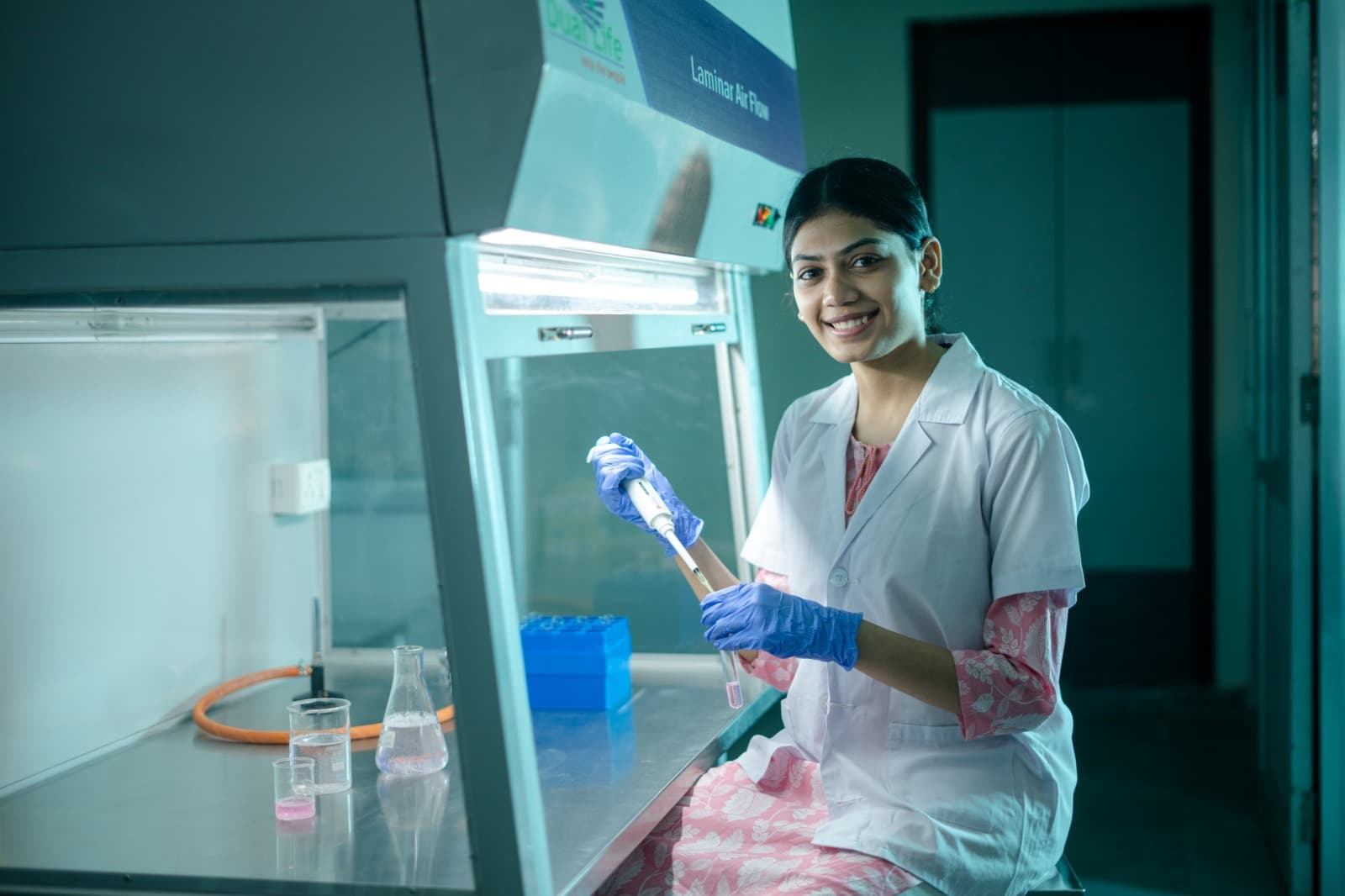
B.Sc Nursing Course Details: Eligibility, Subjects & Scope
Nursing courses teach care, health skills, and provide a strong job future.
What is a B.Sc. in Nursing?
Duration and Study Flow of the Course
The BSc Nursing course is a 4-year programme, and these years are divided into different stages of learning. The course structure is as follows:
- The first year focuses on basic science and health fundamentals
- The middle years focus on nursing skills and patient care
- The later years include advanced training and real hospital exposure
Students begin with basic concepts and gradually progress towards handling real patient care responsibilities.
Some institutions such as Parul University in Goa also provide access to advanced labs and clinical practice to strengthen practical learning.
What are the Eligibility Criteria?
To enter this course, students need to complete some basic education requirements. Basic eligibility includes:
- Student must complete Class 12
- Science stream is required
- Subjects like Physics, Chemistry, and Biology are needed
- Minimum marks are required as per the rules
Students should also be physically and mentally fit, as nursing requires energy and patience.
These are the basic entry requirements for students who want to start their journey in nursing.
Subjects in Nursing Course
When talking about BSc Nursing course details, subjects play an important role as they build the overall knowledge of the student. The main subjects taught in this course are:
- Anatomy
- Physiology
- Nutrition
- Psychology
- Microbiology
- Nursing Foundation
- Medical-Surgical Nursing
- Child Health Nursing
- Mental Health Nursing
These subjects help students understand the human body, diseases, and how to care for patients in different situations.
Practical learning includes:
- Hospital training
- Patient care practice
- Clinical exposure
This ensures that students are not only studying theory but also gaining hands-on experience.
Skills You Learn in Nursing
This course helps students develop many important skills that are useful in real-life situations. Some of the key skills include:
- Care and support for patients
- Communicating with patients and their families
- Handling emergencies
- Working together with doctors and staff
- Making decisions in critical situations
These skills are very important because nursing is not just about knowledge, but also about how a person responds and acts in real-life situations.
Why Should One Take Up the Nursing Course?
Students choose this course for many different reasons. Some strong reasons include:
- It is a respected profession
- You help people and save lives
- There are many job opportunities
- You can work in different countries
- The demand for nurses is always high
Students who want a stable and meaningful career often choose this path.
What Scope Does Nursing Have Post Doing it?
After completing the course, students have many career options. The scope is wide and continuously growing. Job roles available include:
- Staff Nurse
- Nurse Educator
- ICU Nurse
- Community Health Nurse
- Hospital Administrator
Work areas include:
- Hospitals
- Clinics
- Health centres
- NGOs
- Research centres
Students can also pursue higher studies and specialise in specific areas. In some institutions like Parul University (Goa), students are guided for career growth and higher education options, helping them move forward with clarity.
Practical Training and Exposure
One of the most important parts of this course is practical training. Without practice, nursing cannot be learned properly. Training includes:
- Working in hospital rooms
- Helping doctors
- Taking care of patients
- Learning how to handle emergencies
This experience gives students confidence and prepares them for real work situations.
Opportunities for Growth and the Future
In nursing, learning never stops. Students can continue to grow even after completing the course. They can:
- Study for a master's degree
- Specialise in areas like ICU or paediatrics
- Move into teaching or management roles
The future is very open for students who work hard in this field.
Moving Ahead in Nursing Journey
Latest Articles
.jpg&w=3840&q=75) Academic
AcademicLeadership Skills Students Need to Thrive in an AI-Driven Workplace
September 21, 2026|Rahul ShahAI is changing how work gets done, but human abilities such as decision-making, communication, adaptability, and team leadership remain important. Students who combine these qualities with AI awareness can prepare more effectively for future workplaces.
Read More.jpeg&w=3840&q=75) Careers
CareersFull Stack Development Roadmap for Beginners: Skills, Tools and Career Scope
September 19, 2026|Shashi PatilFull stack development combines frontend, backend, database, and deployment skills, allowing developers to work across different parts of a web application. Beginners can enter the field by learning each layer step by step and building practical projects.
Read More
Related Articles
.jpg&w=3840&q=75) Careers
CareersThe Rise of Digital Health: Careers in Telemedicine and Healthcare Technology
August 22, 2026Digital healthcare is creating new career possibilities across telemedicine, health informatics, remote patient support, diagnostics, and healthcare technology. Students with strong clinical knowledge and digital skills may be better prepared for these evolving roles.
Read More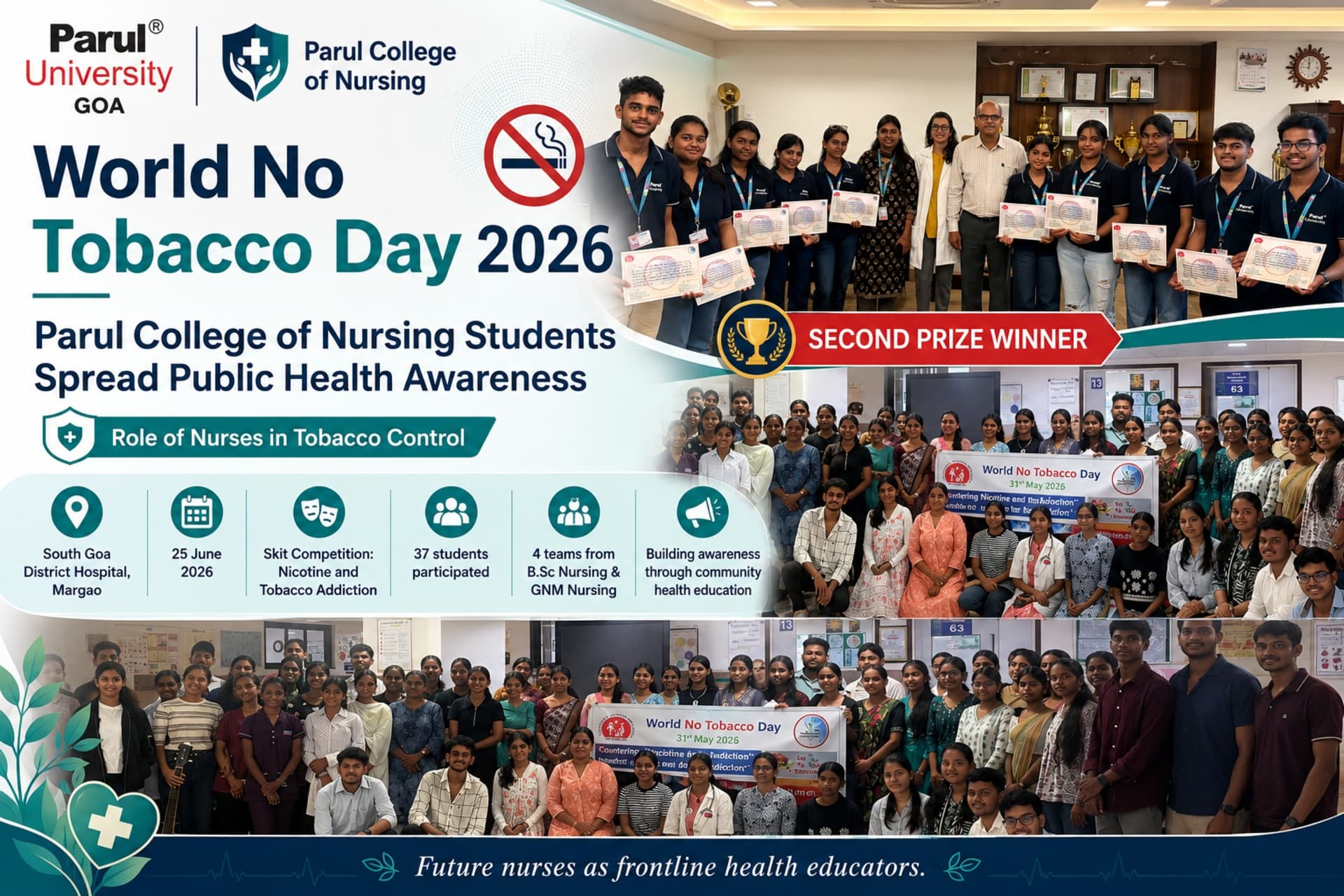 Events
World No Tobacco Day 2026: Role Of Nurses, Parul College of Nursing Students' Skit on Public Health Education.
August 5, 2026Nurses are among the most effective frontline health educators in tobacco control, because they reach patients and communities directly. On 25 June 2026, Parul College of Nursing students demonstrated that role at a World No Tobacco Day competition in a South Goa hospital, and took the Second Prize.
Read More