
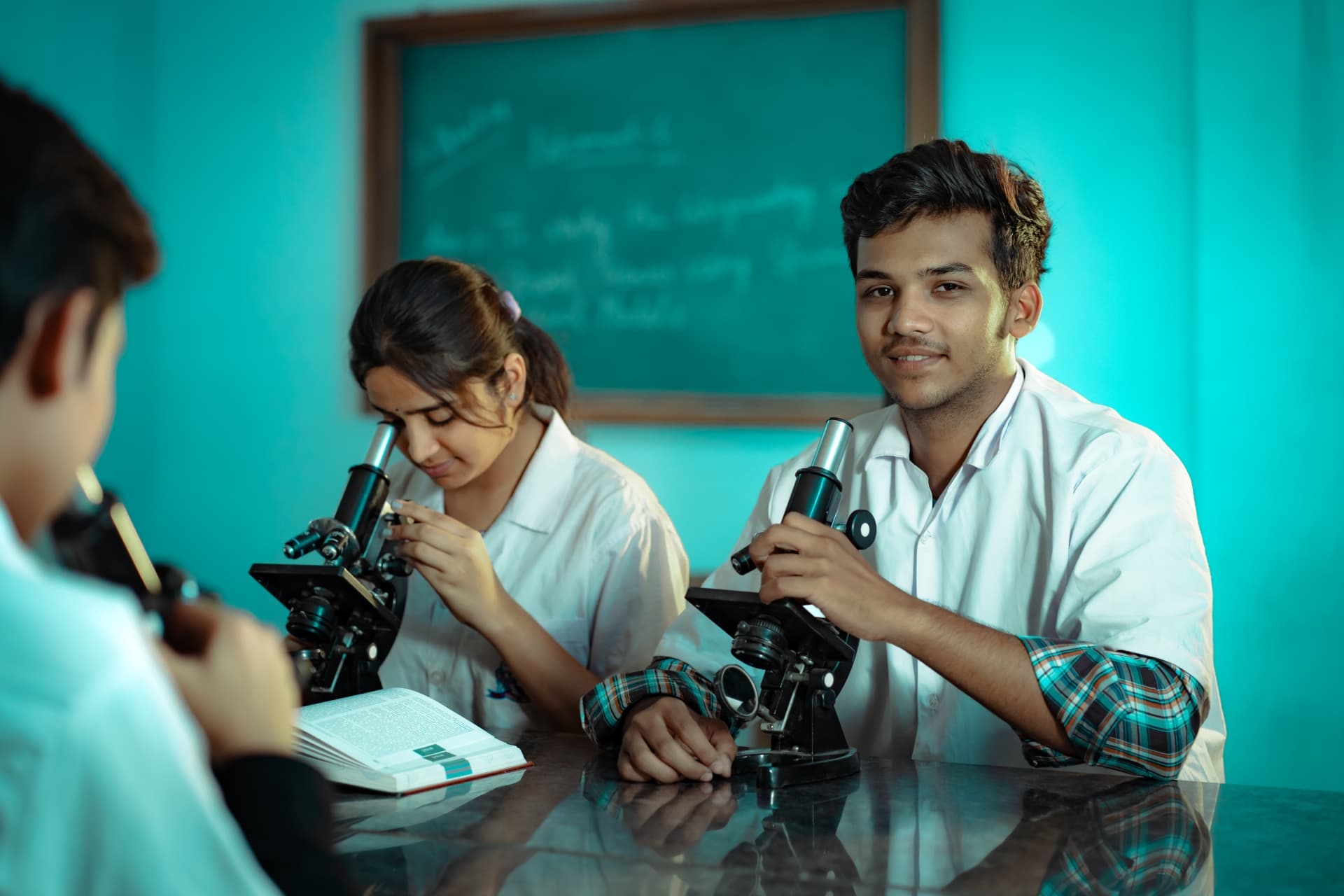
Beyond MBBS: 6 Allied Health Courses in Goa With Strong Hospital Demand
Allied health courses give science students several ways to work in healthcare without pursuing MBBS. The right option depends on whether you prefer diagnostics, operation theatre work, rehabilitation, laboratory science, or research.
Healthcare careers extend far beyond becoming a doctor. Hospitals also depend on laboratory professionals, physiotherapists, operation theatre technologists, diagnostic teams, and other specialists who support patient care.
This workforce is becoming more important. In July 2026, the Ministry of Health and Family Welfare said the government plans to add 1 lakh allied health professionals over the next five years, while also strengthening education and professional standards in the sector. (Source)
For students exploring allied health courses in Goa, the key question is simple: what kind of healthcare work are you actually interested in?
What Are Allied Health Courses?
Allied health programmes prepare students for specialised roles in diagnosis, rehabilitation, laboratory services, operation theatres, research, and patient support.
Unlike MBBS, these courses focus on specific areas of healthcare rather than training students as doctors.
That is why students comparing paramedical courses in Goa should think less about which course sounds most popular and more about the type of work they prefer.
Which Allied Health Path May Suit You?
BMLS
Bachelor of Medical Laboratory Science focuses on testing and analysing biological samples that help doctors make clinical decisions.
Students considering BMLS in Goa may prefer this route if they are interested in laboratory work, scientific accuracy, pathology, and diagnostics.
A medical lab technology course Goa students can pursue through BMLS can lead towards hospital laboratories, diagnostic centres, blood banks, and pathology-related services.
B.AOTT
A B.AOTT course in Goa focuses on anaesthesia support, operation theatre procedures, sterilisation, equipment handling, and surgical environments.
This may suit students who prefer technical clinical work and want to work closely with surgical teams rather than in a laboratory or rehabilitation setting.
BPT
Bachelor of Physiotherapy focuses on movement, recovery, pain management, and rehabilitation.
Students exploring BPT in Goa may find it relevant if they prefer direct patient interaction and are interested in helping people recover after injuries, surgery, neurological conditions, or mobility problems.
Career settings can include hospitals, rehabilitation centres, clinics, sports facilities, and home-based rehabilitation.
B.Sc. Biotechnology
B.Sc. Biotechnology applies biology to areas such as healthcare, pharmaceuticals, research, and laboratory innovation.
It may be more suitable for students who are interested in scientific research and biological processes than continuous patient-facing work.
Depending on further education and experience, students may move towards biotechnology laboratories, pharmaceutical research, clinical research, or quality-related roles.
B.Sc. Microbiology
B.Sc. Microbiology focuses on microorganisms and their role in health, disease, food, environment, and biological systems.
This can be relevant for students interested in laboratory testing, microbiological analysis, pharmaceutical work, research, or quality control.
Compared with BMLS, the focus is broader and may extend beyond hospital diagnostics.
Medical Imaging
Medical imaging professionals support diagnosis using technologies such as X-rays and other imaging systems.
This pathway may suit students who prefer technology-based diagnostic work within hospitals and imaging centres.
Programme names and eligibility can vary, so students should check the exact course offered by each institution before applying.
How Do You Choose Between These Courses?
The easiest way is to match the course with the work environment you prefer.
If you prefer:
• Laboratories and diagnostics:
• Operation theatres and technical procedures:
• Direct rehabilitation and patient interaction:
• Research and biological science:
• Diagnostic equipment and imaging:
What Allied Health Options Does Parul University Goa Offer?
Parul University Goa currently offers B.MLS, B.AOTT, BPT, B.Sc. Biotechnology, and B.Sc. Microbiology across its allied health and physiotherapy areas.
The university also highlights laboratory learning, clinical exposure, and healthcare-focused practical training within these programmes.
For students comparing paramedical courses in Goa, this creates different pathways depending on whether they are more interested in diagnostics, rehabilitation, operation theatre work, or applied biological sciences.
What Should You Check Before Choosing an Allied Health Course?
Before shortlisting a programme, compare:
- Class 12 eligibility
- Course duration
- Clinical or laboratory exposure
- Internship requirements
- Professional recognition where applicable
- Higher-study options
- The type of healthcare role the course prepares you for
The best choice depends on where you see yourself working.
If you prefer a laboratory, BMLS may be more suitable. If you are inclined towards direct patient recovery, BPT may be a better fit. If you prefer surgical environments, B.AOTT can offer a very different route.
MBBS is only one way to build a healthcare career. The right allied health pathway can also place students directly inside the systems that support diagnosis, treatment, rehabilitation, and patient care.
Frequently Asked Questions
Can allied health professionals work in hospitals?
Is BMLS different from B.AOTT?
Do allied health courses require NEET?
Latest Articles
 News
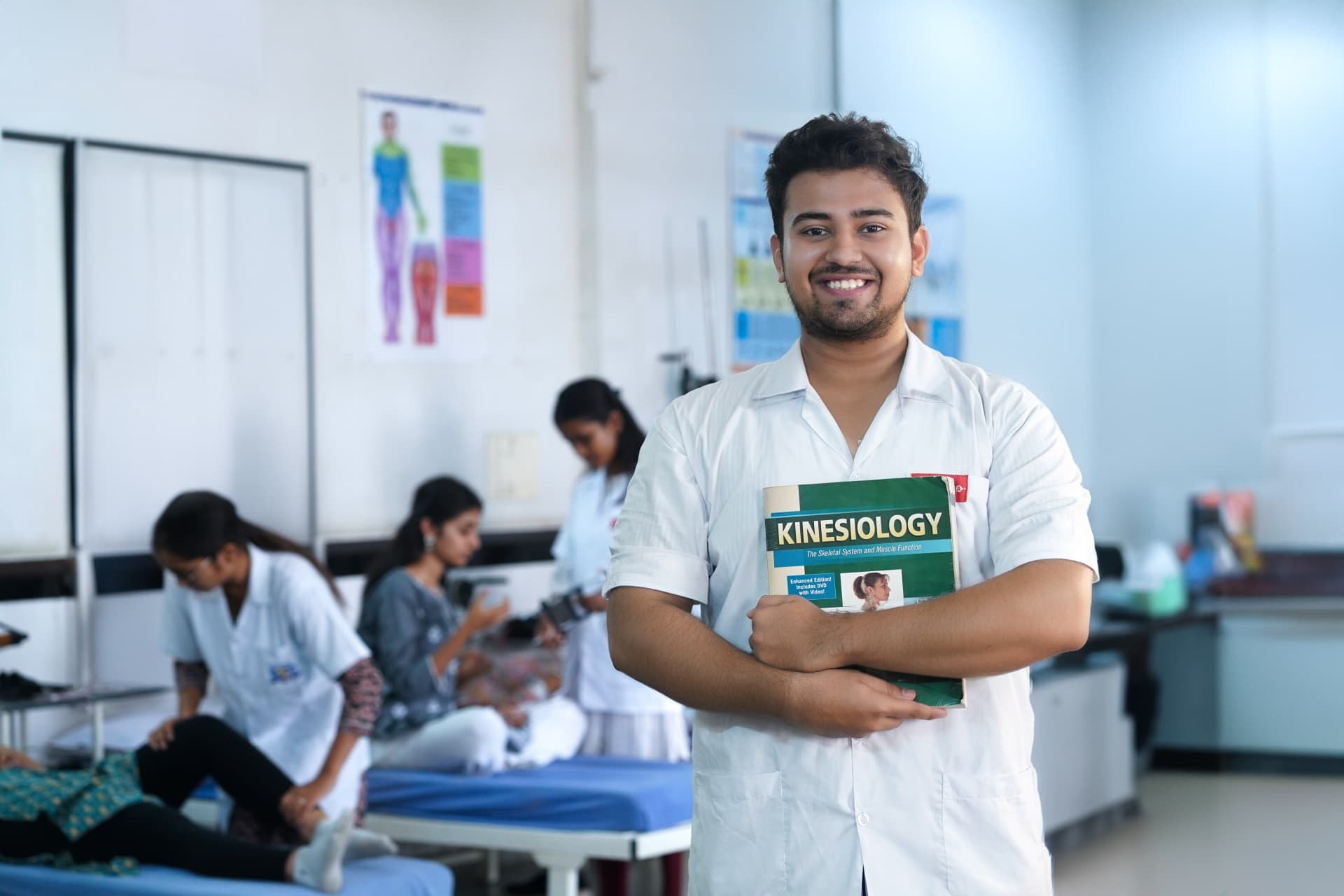
Parul University Goa and the Directorate of Health Services open physiotherapy and rehabilitation centres across Goa
November 5, 2026|Plavanamee DaveIn October 2026, Parul University Goa and the Directorate of Health Services, Goa, inaugurated physiotherapy and rehabilitation centres in three public healthcare facilities: South Goa District Hospital in Margao, the Primary Health Center at Balli and the Community Health Center at Canacona. More than 350 students from Nursing, Physiotherapy, and Applied and Health Sciences took an oath at the ceremony in Margao, which places rehabilitation services inside existing public facilities, closer to the communities that use them.
Read More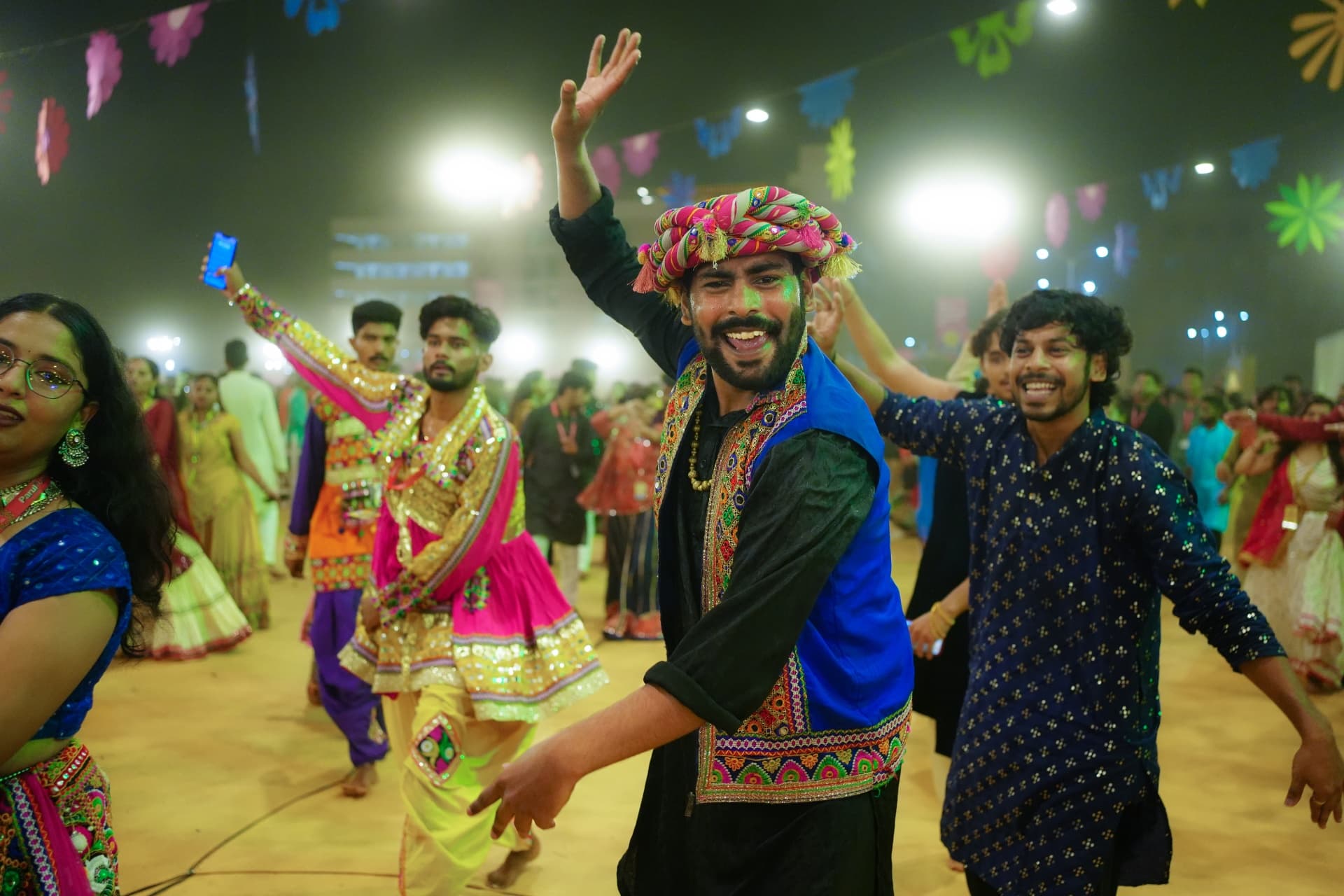 Student Life
Navrang at Parul University Goa: A Navratri Celebration, and Why It Matters to a Student's Education
November 5, 2026|Mitali MehtaParul University Goa celebrated this year's Navratri with Navrang, A Symphony of Culture, a night of Garba and cultural performances that brought over 1000 students together. Beyond the colour and music, the evening reflected something central to how the campus educates: the belief that a student's growth happens as much through shared cultural experience as through the classroom.
Read More
Related Articles
 Careers
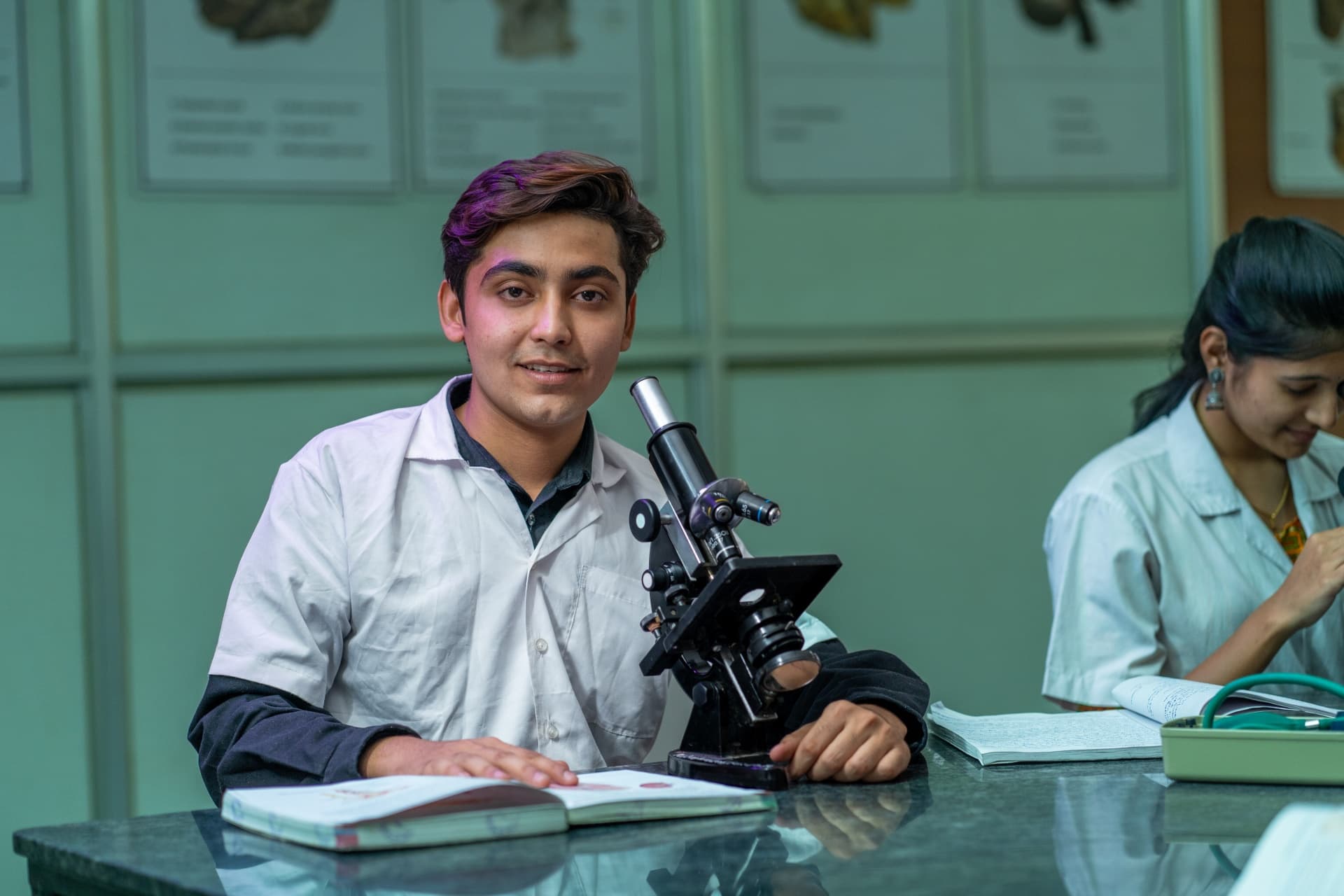
Healthcare Careers That Will Remain Future-Proof Over the Next Decade
September 16, 2026Healthcare careers linked to patient care, diagnostics, rehabilitation, nursing, and allied health are likely to remain relevant over the next decade as healthcare needs grow and technology changes how professionals deliver care.
Read More Careers
Future of Allied Healthcare Careers in India: Roles Beyond Doctors and Nurses
July 11, 2026Allied healthcare careers can offer many rewarding opportunities for students who want to contribute to patient care without becoming doctors or nurses.
Read More