
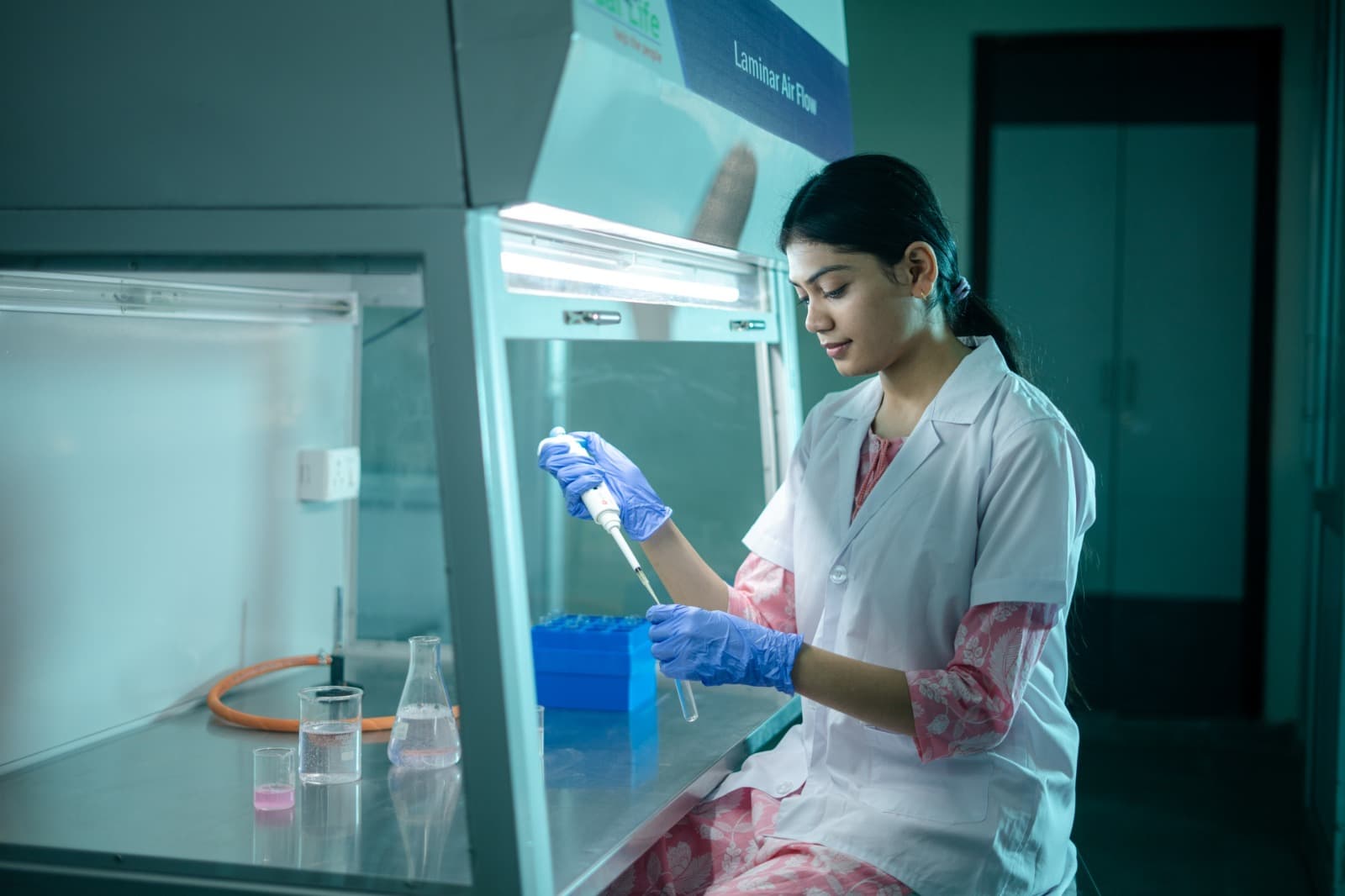
B.Sc Biotechnology Course Guide: Subjects & Admission Process
The biotechnology course teaches how living things work, builds lab skills, and helps students move into science careers step by step.
What is a B.Sc. in Biotechnology?
What is the Course’s Duration and Flow?
This course usually takes 3 years to complete, and these years are divided into semesters to make learning easier and more structured. The course structure is as follows:
- First year teaches basic science subjects
- Second year focuses on core biotechnology topics
- Third year provides advanced learning and more practical work
This structure helps students gradually progress from simple concepts to more complex understanding.
In some institutions like Parul University (Goa), students also get strong lab exposure, which helps them understand concepts in a clearer and more practical way.
What Kind of Subjects are Taught in Biotechnology?
The topics in this course are designed to help students understand life sciences and how living systems function. Some of the main subjects include:
- Cell Biology
- Genetics
- Microbiology
- Biochemistry
- Molecular Biology
- Immunology
These subjects explain how living organisms grow, function, and respond to their environment.
Practical learning consists of:
- Lab experiments
- Sample testing
- Project work
Students learn how to use laboratory tools and conduct tests, which is very important in biotechnology.
What Skills Do You End up Learning?
The admission process is simple and based on basic rules. Basic requirements include:
- Student must complete Class 12
- Science stream is required
- Subjects like Biology, Chemistry, and Physics are required
After this, students can apply for the course. Some programs also prefer students with an interest in science and experiments.
In some institutions like Parul University (Goa), students also receive guidance during admission so they can better understand the course before joining.
Admission Process in a Simple Way
There are many reasons why students choose this course.
- It is connected to modern science
- It helps in solving real problems
- It is useful in healthcare and agriculture
- It has strong future growth
Students who are interested in science and discovery find this course very useful.
Why Choose Biotechnology?
After completing the course, students can choose different job paths. Job roles include:
- Lab Technician
- Research Assistant
- Quality Analyst
- Biotech Executive
Work areas include:
- Pharma companies
- Research labs
- Hospitals and healthcare
- Agriculture field
Students can also study further to get better roles and more knowledge.
Career Options After the Course
After completing the course, students can choose different job paths. Job roles include:
- Lab Technician
- Research Assistant
- Quality Analyst
- Biotech Executive
Work areas include:
- Pharma companies
- Research labs
- Hospitals and healthcare
- Agriculture field
Students can also study further to get better roles and more knowledge.
Importance of Practical Learning
Biotechnology is not only about reading. It is more about doing. Students learn through:
- Lab training
- Experiments
- Project work
- Real sample analysis
This makes them ready for real job situations.
Moving Ahead in Biotechnology
Latest Articles
.jpg&w=3840&q=75) Careers
CareersHow Data Analytics Is Becoming Essential Across Every Industry
August 31, 2026|Jennifer D'souzaData analytics is becoming relevant across industries because organisations increasingly use data to understand customers, improve operations, manage risks, and make informed decisions. This is creating career opportunities for students with analytical, technical, and business skills.
Read More.jpg&w=3840&q=75) Careers
CareersEntrepreneurship Opportunities for Students in Goa’s Growing Economy
August 25, 2026|Sritoma MukherjeeGoa’s expanding startup ecosystem is creating opportunities for students across tourism, technology, sustainability, digital services, and other emerging sectors. Building business knowledge alongside practical problem-solving skills can help students explore entrepreneurship with greater confidence.
Read More
Related Articles
.jpg&w=3840&q=75) Careers
CareersThe Rise of Digital Health: Careers in Telemedicine and Healthcare Technology
August 22, 2026|Shashi DespandeDigital healthcare is creating new career possibilities across telemedicine, health informatics, remote patient support, diagnostics, and healthcare technology. Students with strong clinical knowledge and digital skills may be better prepared for these evolving roles.
Read More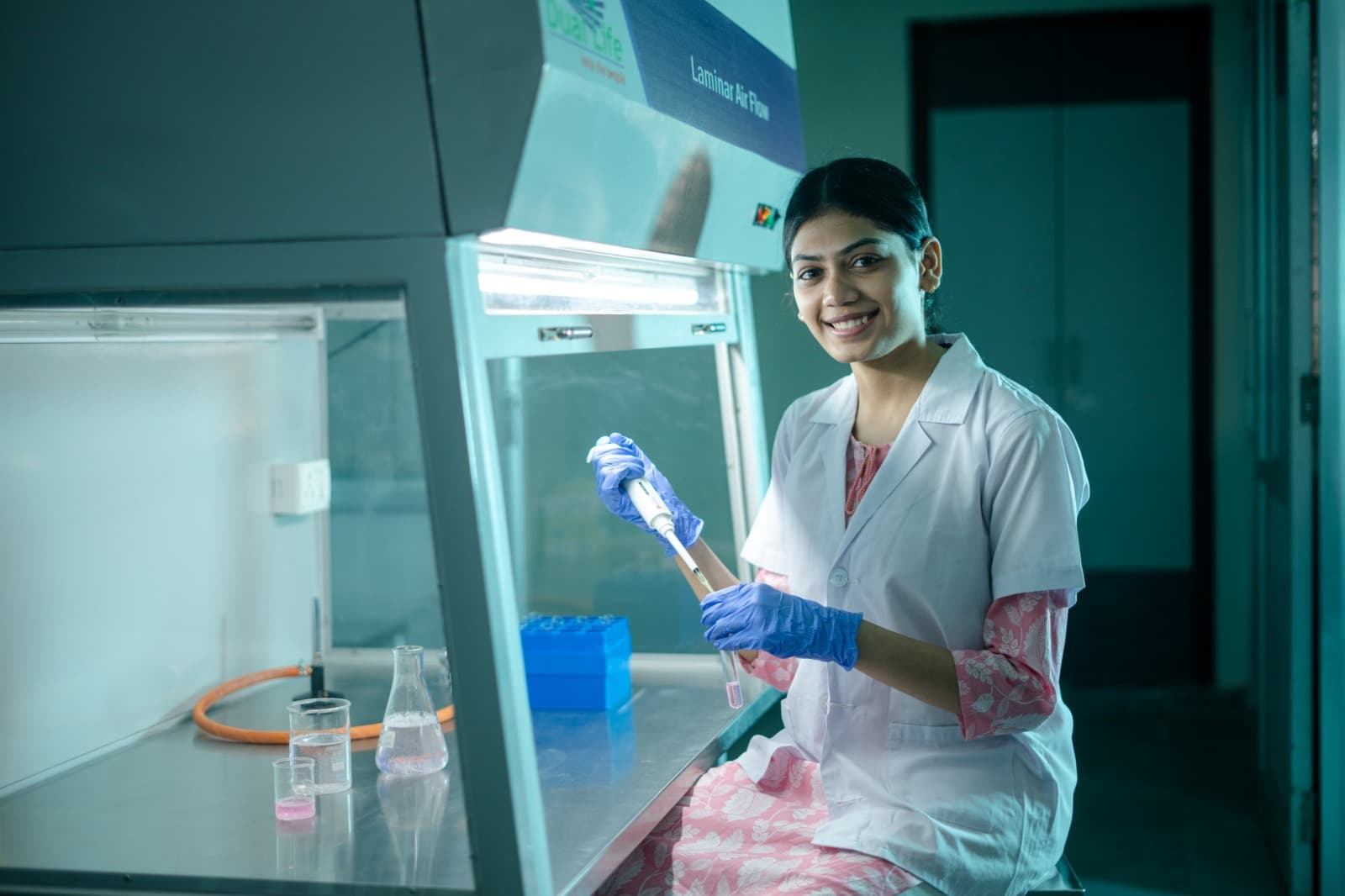 Academic
B.Sc Nursing Course Details: Eligibility, Subjects & Scope
August 20, 2026|Shashi DespandeNursing courses teach care, health skills, and provide a strong job future.
Read More